Picking the right Elmhurst neighborhood is not just about finding a house you like. It is about matching your daily routine to the part of town that fits how you want to live. If you are weighing walkability, lot size, commute options, or access to parks and trails, Elmhurst gives you several distinct patterns to compare. Let’s break down what matters so you can narrow your search with more confidence.
Why Elmhurst Neighborhood Choice Matters
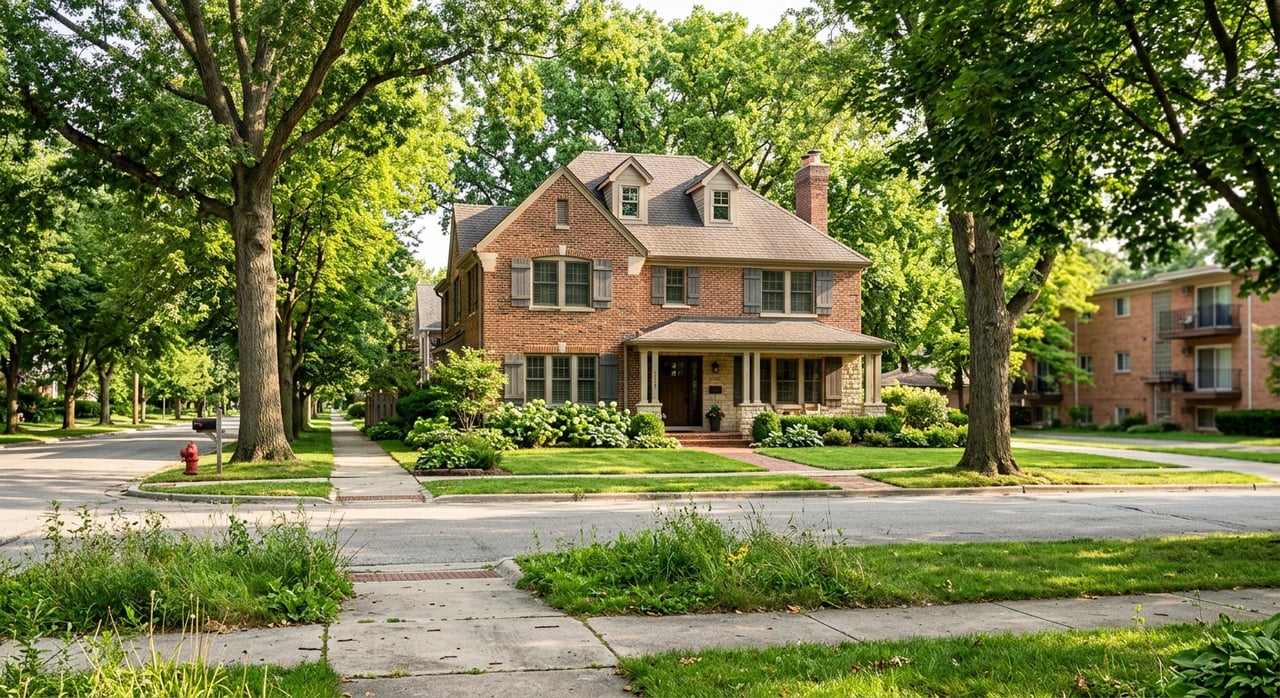
Elmhurst is a mature suburban market with 45,786 residents, a 79.7% owner-occupied housing rate, and a median owner-occupied home value of $532,800. The city is largely built out, with detached single-family homes as the predominant land use. Because there is limited undeveloped land, redevelopment and infill can shape the feel of a block just as much as the age of the homes around it.
That is why two homes that seem close together on a map can feel very different in person. One block may have larger lots and deeper setbacks, while another may feel more compact and closer to downtown activity. In Elmhurst, neighborhood selection often comes down to balancing convenience, privacy, housing style, and how much day-to-day activity you want around you.
Start With Your Lifestyle Priorities
Before you focus on specific streets, decide what matters most in your day-to-day routine. Some buyers want quick access to the Metra station and downtown restaurants. Others care more about highway access, larger lots, or being close to parks and trails.
A simple way to narrow your search is to rank these priorities first:
- Train access
- Highway access
- Walkability to dining and services
- Larger lot size
- Quieter interior residential streets
- Access to parks and trails
- Proximity to neighborhood shopping districts
If you know your top two or three priorities, it becomes much easier to sort Elmhurst into areas worth seeing and areas you can skip.
Central Elmhurst for Walkability
For many buyers, central Elmhurst offers the strongest mix of convenience and activity. The Elmhurst Metra station is downtown at 128 W. 1st St. at York Road, and the downtown plan describes retail concentrated along York and First, with a restaurant cluster near the commuter station. Downtown also has more than 25 restaurants, which makes this area the clearest fit for buyers who want a more walkable routine.
Wilder Park adds another major draw in the center of town. It is home to the Elmhurst Public Library, Elmhurst Art Museum, Wilder Mansion, and Wilder Park Conservatory. If you want transit, dining, and civic amenities close together, central Elmhurst stands out.
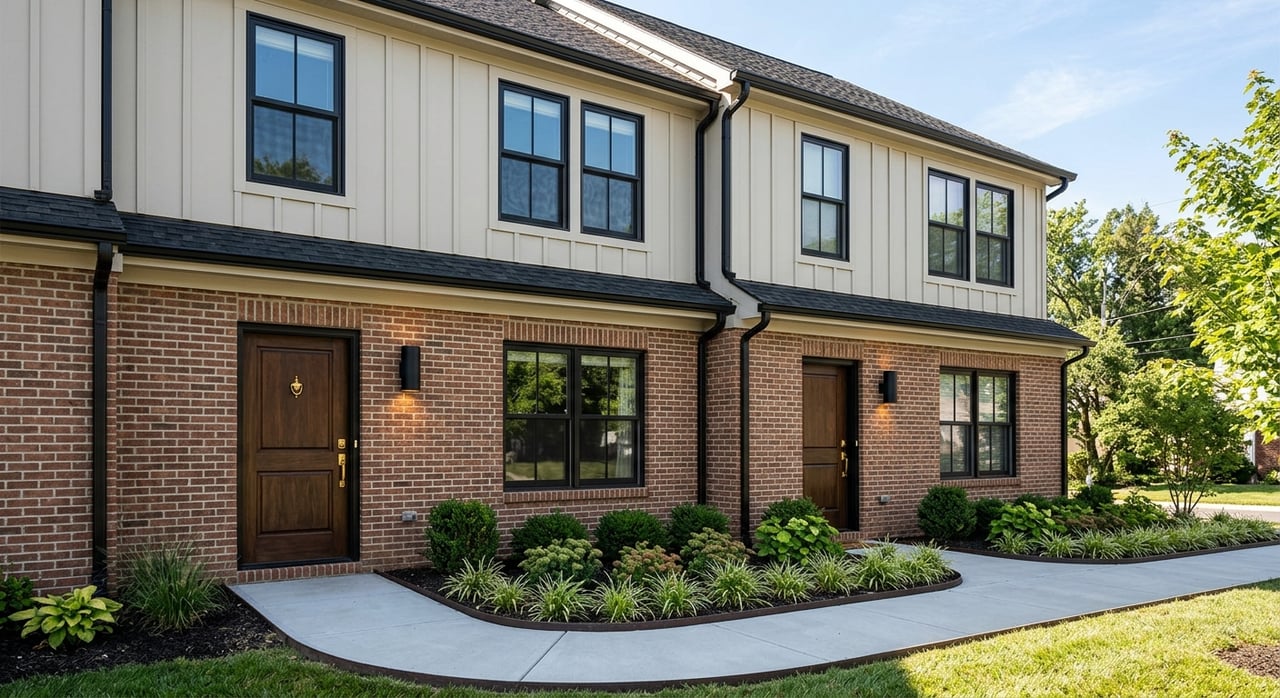
The tradeoff is that homes closer to downtown often reflect older neighborhood patterns, downtown-transition zoning, and more attached-housing options. In practical terms, that can mean smaller lots, less privacy, and a more compact feel than you may find farther from the core.
Who Central Elmhurst Fits Best
Central Elmhurst may be the right fit if you:
- Use Metra regularly
- Want restaurants and services nearby
- Prefer a more walkable daily routine
- Are open to smaller lots or more mixed housing types
If that sounds like you, it makes sense to pay close attention to exact block location. Even within central Elmhurst, the feel can shift quickly from a quieter residential street to a more active downtown-adjacent setting.
Lot Size and Zoning in Elmhurst
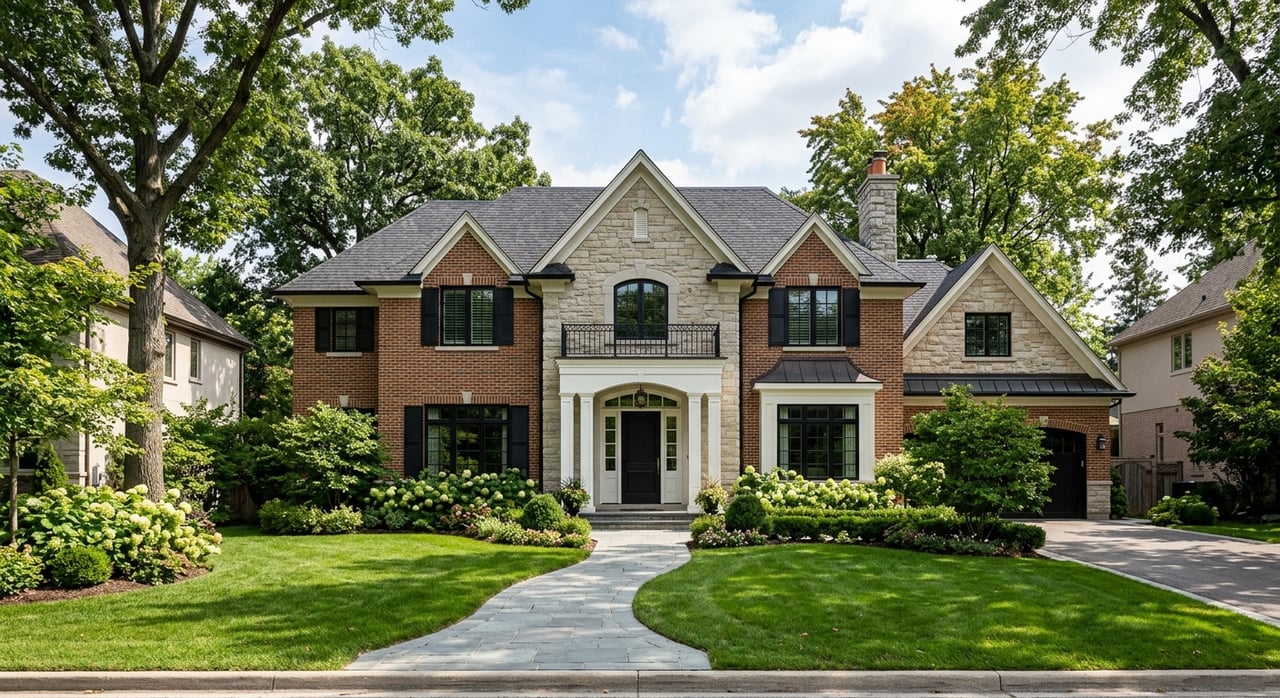
Lot size is one of the biggest factors that changes how a neighborhood feels. Elmhurst zoning helps explain why some areas have wider front yards and more separation between homes, while others feel tighter and more compact.
Here is the quick zoning framework buyers should know:
- RE: large lots and deep setbacks
- R1: 12,000 square feet minimum lot area and 75 feet minimum frontage
- R1A: 10,000 square feet minimum lot area and 56 feet minimum frontage
- R2: 7,260 square feet minimum lot area and 50 feet minimum frontage
- NT and CBOCR: moderate-density and downtown-transition areas that support more attached and multifamily housing
This does not mean every home in a district feels identical, but it gives you a practical starting point. If you want more yard space and more breathing room between homes, larger-lot districts will matter. If you care more about convenience and lower-maintenance options, the more compact areas near downtown may be worth a closer look.
Why Buyers Should Check Zoning Early
It is easy to fall in love with a street before you understand its lot pattern. In Elmhurst, that can lead to surprises if you assumed every block had the same spacing or redevelopment potential. Checking zoning early can help you compare homes more clearly and avoid wasting time on areas that do not fit your goals.
Spring Road and York/Vallette for Neighborhood Feel
If you like the idea of local shopping and services nearby, but do not want to be right in the downtown core, the Spring Road and York/Vallette areas deserve a look. The Spring Road business district is a four-block, pedestrian-oriented shopping district from Vallette to the Canadian National Railroad. The city describes it as surrounded mostly by stable single-family residential neighborhoods, and it is crossed by the Illinois Prairie Path.
York/Vallette is also identified as a neighborhood-scale business district. These areas can work well if you want a neighborhood main street feel with a primarily residential block pattern nearby. For many buyers, that creates a middle ground between full downtown convenience and a quieter residential setting.
Because these districts are embedded within residential areas, block-by-block differences matter. A home on a quieter interior street may feel very different from one closer to the commercial edge, where parking, traffic volume, and circulation may play a bigger role in daily life.
North and Corridor-Adjacent Areas for Driving Convenience
Elmhurst also has areas shaped more by major roads and commercial corridors. The city identifies community commercial corridors along Grand Avenue, North York Street, Lake Street, and Route 83. The city’s sustainability plan also notes regional access through Route 83, I-290, and I-294.
If your routine depends more on driving than rail commuting, these areas may make sense. They can offer practical advantages for reaching shopping, major roads, and regional destinations. For some buyers, that convenience outweighs the quieter feel of a more interior residential location.
The tradeoff is that some corridor-adjacent blocks may feel more traffic-oriented or commercial than central residential streets. That does not define every block, but it is a useful factor to compare when you tour homes.
South and Southwest Elmhurst for Parks and Trails
If outdoor access matters more to you than being closest to downtown, south and southwest Elmhurst may stand out. This part of town has strong access to parks, recreation, and trails. York Commons includes the Norman P. Smalley Pool and the Park District skate park, Ben Allison Park connects to the Illinois Prairie Path, Berens Park includes sports fields and The Hub, and Salt Creek Park is adjacent to Route 83.
Maple Trail Woods and Eldridge Park also add strong outdoor value. Maple Trail Woods is a 93.61-acre park that links to the Salt Creek Greenway Trail south of Madison. Eldridge Park has a perimeter path that connects to the trail and includes a canoe launch tied to the Salt Creek Water Trail.
For buyers who want walking, running, youth sports, or more everyday green space, these areas can be a strong fit. In many cases, the tradeoff is less walk-to-downtown convenience in exchange for a calmer residential feel and easier access to outdoor amenities.
Trails and Recreation Can Change the Search
The Illinois Prairie Path runs about five miles through Elmhurst, and the Salt Creek Greenway Trail is nearly 25 miles long with access points in Elmhurst from Eldridge Park, the Prairie Path west of Route 83, Maple Trail Woods south of Madison, and Pick Park at Thomas and Monterey. If you plan to use trails often, being close to an access point can matter more than your straight-line distance to downtown.
That is one reason neighborhood choice in Elmhurst should go beyond price and bedroom count. A home that looks similar on paper may fit your lifestyle much better if it gives you easier access to the places you will actually use every week.
Transportation Tips for Elmhurst Buyers
Rail commuters usually get the biggest advantage from central locations because Metra access is concentrated downtown at the Elmhurst UP-W station. Pace Route 309 links Elmhurst Station with the CTA Green Line Austin Station. Route 332 serves Elmhurst Station on weekdays and also connects Elmhurst Memorial Hospital and Oakbrook Center, while Route 301 also serves Elmhurst Memorial Hospital and Oakbrook Center.
By car, the main access points are Route 83, I-290, and I-294. That means your real commute is not just about distance from a home. It is about the route you will actually use every day and whether that route supports your routine.
A Smart Elmhurst Neighborhood Checklist
As you narrow your search, use a simple checklist to compare one area against another:
- Decide whether train access, highway access, or a quieter interior block matters most
- Compare lot size and zoning before committing to a street
- Map the nearest park or trail entrance if outdoor access is important to you
- Check how close the home is to commercial strips like Spring Road, York/Vallette, North York, Lake Street, or Route 83
- Look at parking realities, traffic patterns, and whether the block feels more downtown-adjacent, corridor-adjacent, or purely residential
This kind of side-by-side comparison can save you time and help you focus on neighborhoods that truly fit your goals.
If you want help sorting through Elmhurst by commute, lot size, redevelopment patterns, or investment potential, contact Timothy Soltys for a quick, practical conversation about which part of town makes the most sense for your next move.
FAQs
What is the most walkable part of Elmhurst for homebuyers?
- Central Elmhurst is generally the best fit for buyers who want walkability, with access to the Metra station, downtown restaurants, retail, and civic destinations like Wilder Park.
How do lot sizes vary across Elmhurst neighborhoods?
- Lot sizes often vary by zoning, with RE as a large-lot district, R1 requiring 12,000-square-foot lots, R1A requiring 10,000 square feet, and R2 allowing smaller recorded lots at 7,260 square feet.
What Elmhurst areas are good for park and trail access?
- South and southwest Elmhurst stand out for park and trail access, including connections to the Illinois Prairie Path, Salt Creek Greenway Trail, York Commons, Berens Park, Maple Trail Woods, and Eldridge Park.
Which Elmhurst neighborhoods make sense for commuters?
- If you rely on Metra, central Elmhurst usually offers the biggest advantage, while buyers who drive more often may prefer areas with easier access to Route 83, I-290, or I-294.
What should buyers compare before choosing an Elmhurst neighborhood?
- Focus on your daily priorities first, then compare commute style, lot size, zoning, proximity to parks and trails, and how close the home sits to downtown or commercial corridors.