Thinking about Clarendon Hills and wondering if it lives up to the hype? For many buyers, this village stands out because it packs a lot into a small footprint: a commuter-friendly downtown, a steady calendar of local events, and a housing market that leans upscale. If you are comparing west suburban options, this guide will help you understand the pace, housing, and everyday feel of living here. Let’s dive in.
Clarendon Hills at a Glance
Clarendon Hills is a compact village in eastern DuPage County with about 8,700 residents spread across roughly 1.81 square miles. That smaller scale shapes daily life in a real way. You are not looking at a large suburb with multiple commercial corridors. You are looking at a community where many local routines center around a defined downtown and neighborhood streets.
The village describes itself as an established community with more than 100 businesses, and local planning documents stress balance between new development and existing neighborhoods. In practical terms, that means Clarendon Hills tends to feel more residential and community-focused than heavily built out. If you want a place with a small-town rhythm in a west suburban setting, that is a big part of the appeal.
Daily Life Feels Local
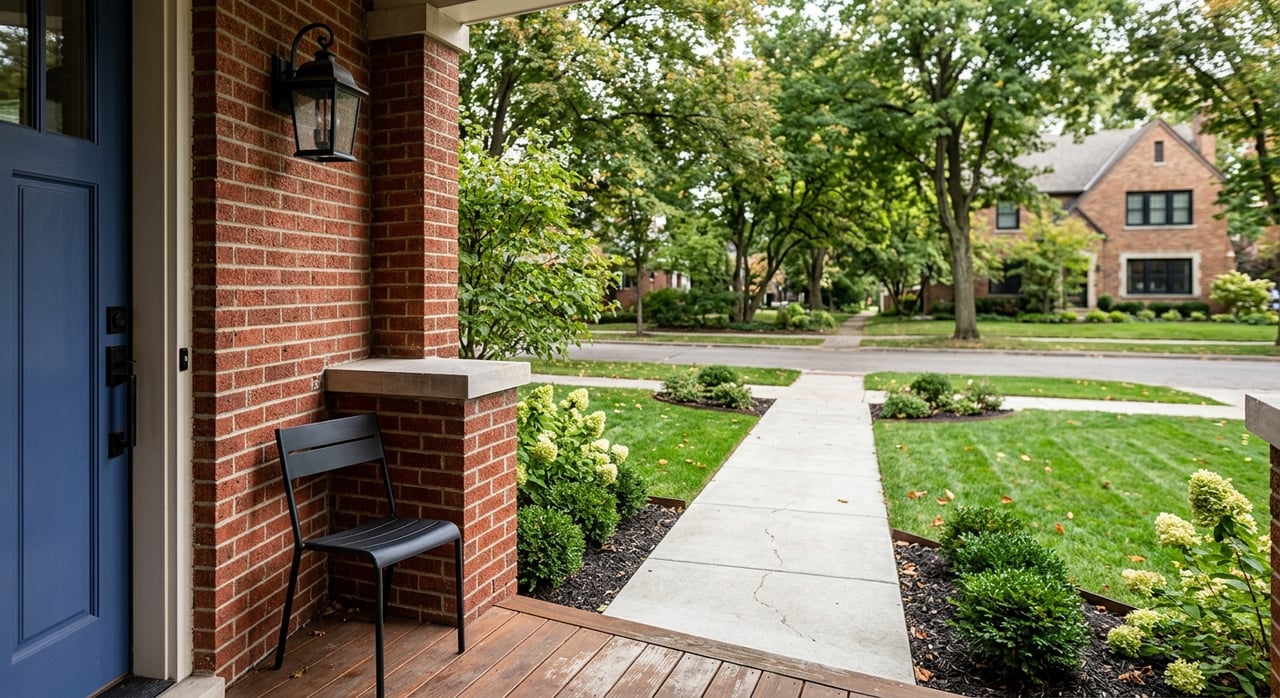
One of the clearest things you notice about Clarendon Hills is that it feels oriented around everyday living, not constant activity. The village planning approach emphasizes preserving small-town character, and that shows up in the overall atmosphere. You get a place that feels settled, established, and easy to navigate.
This is also a village that fits many commuters. Census data shows a median commute time of 28.9 minutes, and the downtown is centered around the Metra station. If your routine includes heading into other parts of the metro area, that rail-centered setup is a meaningful convenience.
With an owner-occupied housing rate of 84.2%, Clarendon Hills also reads as a place where many people stay put for a while. That can translate into a more stable feel from block to block. For buyers who want a village that feels rooted rather than constantly turning over, that is worth noting.
Downtown Is a Real Gathering Place
In some suburbs, downtown is mostly a pass-through. In Clarendon Hills, downtown works more like a civic and social hub. It is centered on Prospect Avenue, Village Hall, and the Metra station, and the village has invested in revitalization work aimed at improving pedestrian safety, traffic flow, rail crossing conditions, and station amenities.
That matters because it shapes how the area functions day to day. Downtown is not just where you drive through on your way somewhere else. It is set up to be a walkable place where you can gather, shop, eat, and connect with the village around you.
For many buyers, that kind of downtown adds value beyond simple convenience. It gives the community a center of gravity. If you like the idea of having a defined main street environment instead of scattered commercial pockets, Clarendon Hills offers that in a very approachable format.
Events Help Create the Village Rhythm
Clarendon Hills also has a community calendar that gives the year some structure. Seasonal events help turn downtown into an active public space, which can make the village feel more connected and lived-in.
A few examples include:
- Farmers market on Thursdays from 7 a.m. to 1 p.m., May 14 through October 15, at Village Hall Plaza
- Dancin’ in the Street on Wednesdays from 7 p.m. to 9 p.m., July 8 through August 12, 2026, on Prospect Avenue downtown
- Holiday Walk with shopping, tree lighting, wagon rides, Santa, and restaurant specials
- Oktoberfest across multiple downtown locations with food, drinks, music, and family activities
If you are the kind of buyer who wants a suburb with visible community activity, these details matter. They help make Clarendon Hills feel like more than a bedroom community.
Parks and Recreation Are a Big Plus
For a smaller village, Clarendon Hills has a strong parks and recreation setup. The Clarendon Hills Park District operates eight park sites totaling about 45 acres. That gives residents a meaningful amount of green space and programming within a compact community.
Prospect Park is the standout park resource. At 23 acres, it includes a walking path, ball fields, a playground, tennis courts, a pond, and a picnic pavilion, along with both active and passive recreation areas. If you want outdoor space that supports both structured activities and simple day-to-day use, this park adds a lot to the village lifestyle.
Lions Park Pool is another major part of the summer experience. It includes a six-lane lap pool, zero-depth entry, a slide, springboards, a splash pad, and water slides. For many households, that kind of amenity helps define what living in town actually feels like during the warmer months.
Recreation Extends Beyond One Age Group
A good park district does more than maintain fields and playgrounds. In Clarendon Hills, programming spans youth athletics, teen offerings, and 60-plus activities. That broad programming mix helps the recreation calendar feel active across different stages of life.
If you are comparing suburbs, this is an important quality-of-life point. A strong park district can make it easier to build routines close to home. Whether you are looking for sports, seasonal activities, or low-key outdoor time, Clarendon Hills has more depth here than its size might suggest.
Housing in Clarendon Hills
Clarendon Hills is firmly in the higher-priced segment of the west suburban market. Current market snapshots place the median sale or asking range around the low- to upper-$900,000s, with March 2026 Redfin data reporting a median sale price of $924,500. Market reports also describe the village as very competitive and tilted toward sellers.
That price point is one of the biggest things buyers need to understand upfront. Clarendon Hills is not usually where you shop for the lowest entry price. You are generally paying for the village scale, commuter-friendly downtown, community identity, and established housing stock.
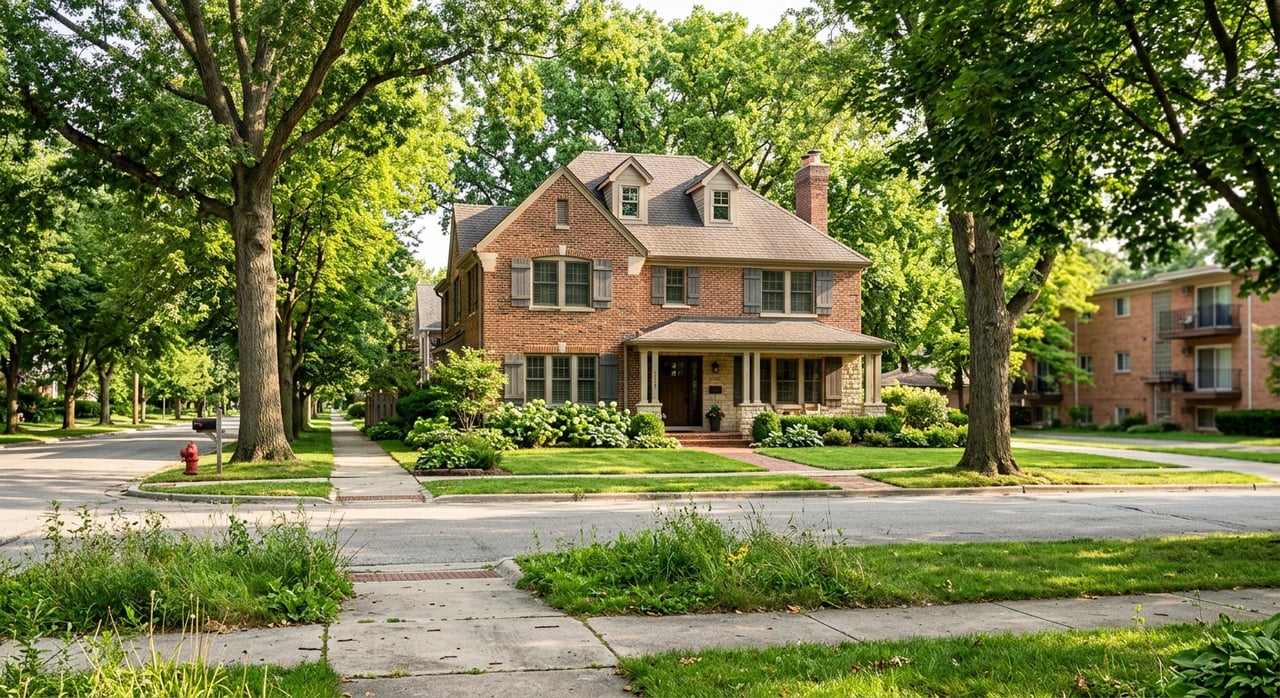
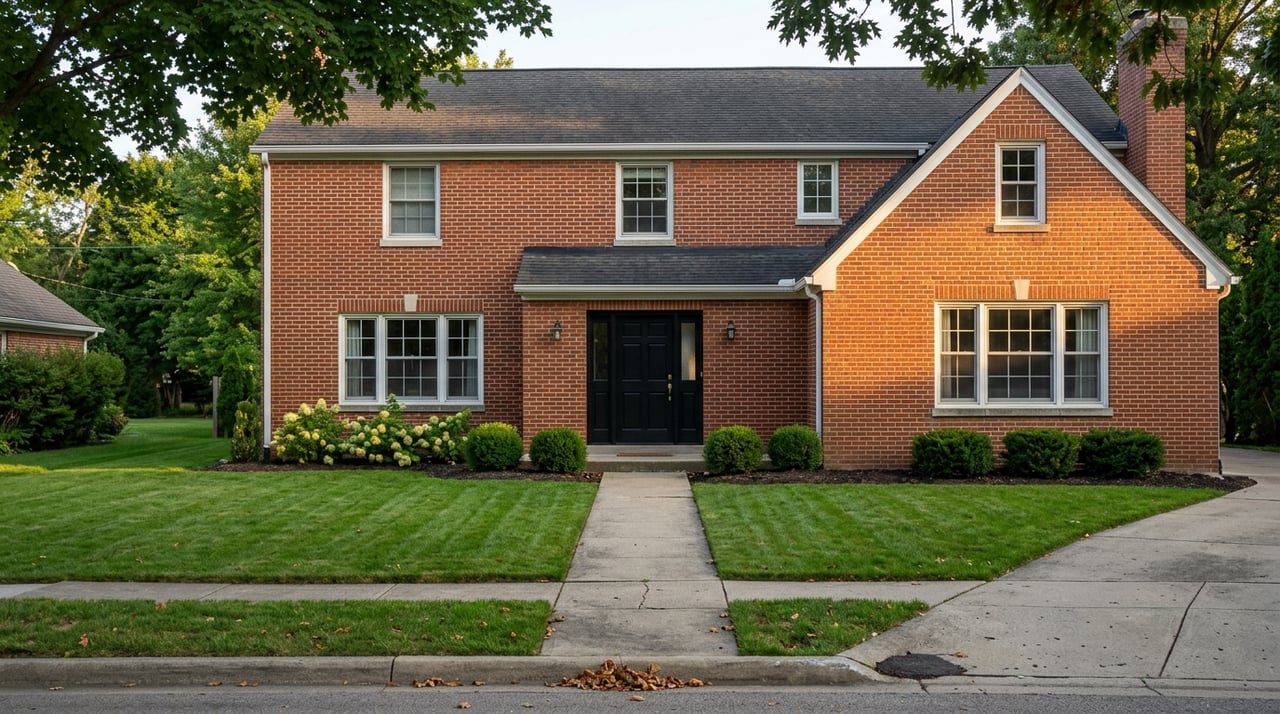
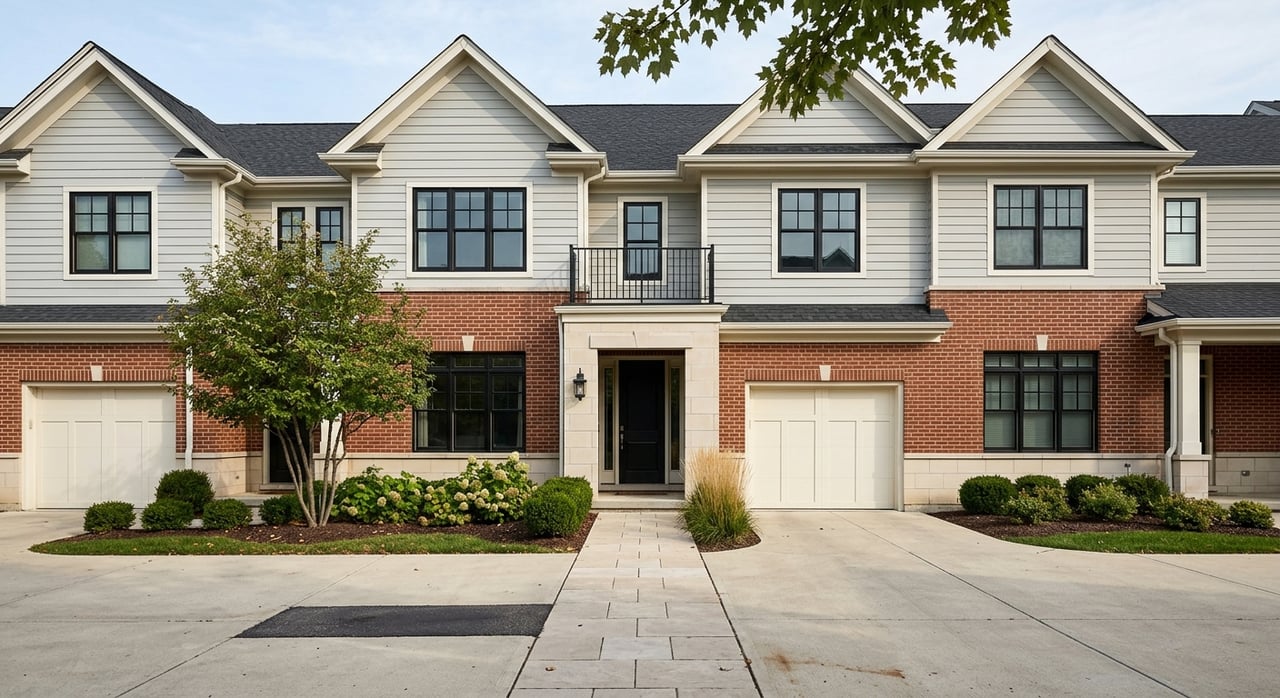
The inventory tends to center on single-family homes, with condos and townhomes making up a smaller secondary segment. Village development documents also point to townhome projects on Park Avenue, while local references to older Sears homes suggest a mix of architectural eras. In simple terms, this is not a one-style market.
What the Housing Mix Feels Like
From a buyer’s perspective, Clarendon Hills housing often falls into a few broad buckets:
- Limited lower-cost attached housing options
- Updated suburban homes in a mid-range move-up band
- Larger renovated or newer-construction homes in the upper tier, sometimes at or above $1 million
That mix can be helpful if you are deciding whether the village fits your stage and budget. If you want a detached home in an established west suburban location, you will likely find more options than if you are focused only on entry-level attached housing. If you are considering a tear-down, renovation, or new-construction path in a higher-value suburb, Clarendon Hills may also be worth a closer look.
What Buyers Usually Like Most
For many buyers, the appeal of Clarendon Hills comes down to how the pieces fit together. It is compact, so local amenities feel close. The downtown has a real purpose. The event calendar gives the village energy without making it feel busy all the time.
The parks and pool strengthen that day-to-day livability. The commuter setup also helps, especially if you want rail access built into the center of town. Put it together, and Clarendon Hills offers a version of suburban life that feels organized around community use, not just residential density.
The Main Tradeoff To Know
The biggest tradeoff is price. Compared with some other suburban options, Clarendon Hills often asks you to pay more for its walkable main-street feel, civic programming, and small-town scale. That does not make it right or wrong. It just means value here is often tied to lifestyle as much as square footage.
If your priority is maximizing house size at the lowest possible entry point, you may want to compare it carefully against nearby alternatives. If your priority is a compact village with a defined downtown, strong recreation amenities, and an established residential feel, the premium may make more sense.
Who Clarendon Hills Fits Best
Clarendon Hills can be a strong fit if you are looking for an established west suburban village with a commuter-oriented core and an active local feel. It may especially appeal to move-up buyers who want more than just a house and are also weighing the character of the town itself.
It can also make sense if you prefer a residential environment that feels settled and neighborhood-driven. Because the housing market skews higher, it is usually best to go in with a clear budget and a realistic sense of what different price points buy you.
If you want help sorting out whether Clarendon Hills fits your goals, price range, or move-up plan, reach out to Timothy Soltys for a quick, direct conversation and a clear next step.
FAQs
What is daily life like in Clarendon Hills, IL?
- Daily life in Clarendon Hills feels local, compact, and community-oriented, with routines often centered around downtown, neighborhood streets, parks, and the Metra station.
Is downtown Clarendon Hills walkable?
- Yes. Village revitalization efforts have focused on pedestrian safety, traffic flow, rail crossing improvements, and station amenities, supporting a more walkable downtown environment.
What types of homes are common in Clarendon Hills?
- The housing stock is primarily single-family homes, with condos and townhomes as a smaller part of the market, plus a mix of older character homes and newer infill or redevelopment.
How expensive is the Clarendon Hills housing market?
- Clarendon Hills is an upper-end suburban market, with recent snapshots showing median sale or asking prices in roughly the low- to upper-$900,000s, depending on the source and timing.
What amenities stand out in Clarendon Hills, IL?
- Key amenities include the downtown Metra area, Prospect Park, Lions Park Pool, and a community event calendar that includes the farmers market, summer street concerts, Holiday Walk, and Oktoberfest.
Is Clarendon Hills a good fit for commuters?
- It can be a strong option for commuters because downtown is centered on the Metra station, and Census data shows a median commute time of 28.9 minutes.