Wondering whether a condo or townhome in Elmhurst is the smarter buy? You are not alone. For many buyers, attached housing can be a practical way to get into Elmhurst with less maintenance, but the wrong assumptions about ownership, dues, or parking can turn a good-looking listing into a frustrating fit. This guide will help you compare condos and townhomes in Elmhurst, understand what you are really buying, and focus on the costs and rules that matter most. Let’s dive in.
Elmhurst attached housing at a glance
Elmhurst gives you a wide range of attached-housing options, but the price spread is bigger than many buyers expect. Current Redfin data shows 12 condos for sale in Elmhurst at a median listing price of $305,000 and 4 townhouses for sale at a median listing price of $720,000.
That matters because Elmhurst’s broader housing market has a recent median sale price of $714,631. In other words, some condos can offer a lower entry point than the overall market, while some townhomes are priced much closer to detached homes.
The listing range also proves that labels can be misleading. Current examples run from condo units around $145,000 to downtown condos around $549,000, while townhomes range from about $375,000 to $1.625 million. If you are shopping in Elmhurst, you need to compare the actual property, not just the property type.
Condo vs townhome in Elmhurst
The biggest mistake buyers make is assuming a condo is always an apartment-style unit and a townhome is always a fee-simple house with shared walls. In Illinois, a condominium is an ownership form, not a building style.
That means a townhouse in Elmhurst may legally be a condominium, or it may be part of a non-condo common-interest community. The label alone does not tell you who owns the roof, exterior walls, driveway areas, or parking spaces.
The real answer is in the governing documents. The declaration and bylaws spell out what you own, what the association maintains, and what rules apply to owners and occupants.
What you may own
Depending on the community, you may own:
- Only the interior surfaces of the unit
- A townhouse structure plus limited-use exterior elements
- A parking space that is deeded, assigned, or treated as a limited common element
- Shared access to amenities such as guest parking or a pool
If you are deciding between two Elmhurst properties, this is one of the first places to slow down and ask questions. Two homes with similar prices can come with very different responsibilities.
Why Elmhurst buyers look at attached housing
Elmhurst’s planning documents show that townhomes are a newer housing type in the city and are often located around downtown and major corridors. The city also envisions a mix of housing types and transit-oriented redevelopment near Metra access.
For you, that usually translates into a few practical benefits. Attached housing may place you closer to downtown amenities, the train, or lower-maintenance living without giving up Elmhurst as a location.
That can be appealing if you are a first-time buyer, a downsizer, or simply someone who wants less yard work. Still, convenience should be weighed against monthly assessments, parking, and ownership structure before you make an offer.
Monthly cost matters more than price tag
A lower purchase price does not always mean a lower monthly cost. In attached housing, the total carrying cost is what matters.
Using the market figures in the research report, a rough principal-and-interest comparison at 20% down and a 6.18% 30-year fixed rate looks like this:
| Property type | Reference price | Approx. monthly principal and interest |
|---|---|---|
| Condo | $305,000 | $1,491 |
| Townhome | $720,000 | $3,520 |
| Detached single-family benchmark | $960,500 | $4,696 |
Those are mortgage-only numbers. Your real monthly cost will be higher once you add property taxes, insurance, and any HOA or association assessments.
This is where condos and townhomes can differ sharply. One current Elmhurst condo listing shows a $169 HOA that includes utilities except electricity and guest parking. Another shows a $270 HOA with a garage. Another lists an $865 HOA with parking and a community pool. That spread can change your monthly budget as much as the sale price does.
Focus on total carrying cost
When you compare Elmhurst condos and townhomes, look at:
- Mortgage payment
- Monthly assessments or HOA dues
- Property taxes
- Insurance needs
- Utility coverage included in dues, if any
- Parking costs or permit needs
If one property has a lower purchase price but much higher dues, it may not be the better value for your budget.
Assessments, reserves, and special assessments
Association finances can make or break an attached-home purchase. In Illinois, monthly assessments are used for operating expenses, reserve contributions, and, when needed, special assessments.
You cannot assume that low dues are always a good sign. Sometimes lower dues can mean less money going into reserves, which may increase the risk of future special assessments if major repairs come up.
Illinois guidance also requires annual budgets to itemize common expenses, capital work, reserves, and each owner’s anticipated assessment. If total regular plus special assessments rise above 115% of the prior year’s total, owners can petition for a vote, though emergency or legally required assessments may still be adopted without owner approval.
What to review before you buy
A smart due-diligence review should include:
- Current budget
- Reserve information
- Anticipated capital expenditures
- History of unpaid assessments or liens
- Board minutes from prior years
- Current insurance policies
- Rules and amendments
In practical terms, two hidden risks often matter most: reserve strength and board transparency. A well-run association is not just about nice common areas. It is about whether the numbers and records show responsible planning.
Resale disclosures in Illinois
Illinois gives buyers important rights when purchasing in a condo or common-interest community. On a resale, buyers are entitled to review items such as the declaration, bylaws, rules, liens or unpaid assessments, anticipated capital expenditures, and reserve information.
This is not busywork. These documents can reveal whether the association is stable, whether there are upcoming projects, and whether the rules fit how you plan to live in the home.
The law also matters if documents are missing. According to the Illinois statute cited in the research report, missing disclosure can give the buyer rescission rights before closing.
Why this matters in Elmhurst
Because Elmhurst attached housing spans older buildings, downtown units, and newer townhome products, document review is especially important. A sharp-looking property may still come with restrictions, expenses, or maintenance obligations you would not know from photos alone.
Parking and commuting in Elmhurst
Parking is not a side issue in Elmhurst. It should be part of your first-round screening.
The city prohibits overnight parking on city streets, municipal parking decks and lots, and along the Metra line between 3:00 a.m. and 6:00 a.m. Overnight off-street municipal parking requires permits. If you expect to rely on street parking, or if you have multiple vehicles, that rule can affect your day-to-day routine.
Elmhurst zoning also requires two parking spaces per dwelling unit for single-family attached uses in the downtown CBOCR district. Even so, your specific parking setup can still vary by property and association structure.
Questions to ask about parking
Before you buy, confirm:
- Is the parking space deeded, assigned, or shared?
- Is there garage parking?
- Is guest parking available?
- Are there restrictions on commercial vehicles or extra cars?
- What happens if you need overnight parking?
This matters even more because Elmhurst is described as minimally walkable in current Redfin market pages. For many buyers, garage access and convenient parking are not nice extras. They are core buying criteria.
Downtown Elmhurst and location tradeoffs
Elmhurst’s planning documents point to downtown as a transit-oriented area with a mix of housing types near Metra access. That helps explain why many condos and townhomes cluster near downtown and major corridors.
For some buyers, that location is the point. You may value easier access to the station, less exterior maintenance, and a more lock-and-leave lifestyle.
For others, the better fit may be a property with more space, a garage, or some private outdoor area. A townhome can sometimes offer that middle ground, though not always at a bargain price.
Which option fits your goals?
The right answer usually comes down to how you want to live and what monthly budget feels comfortable.
A condo may fit if you want simplicity
A condo often makes sense if you want:
- A lower entry price than many detached homes
- Less exterior maintenance responsibility
- A simpler lifestyle near downtown or commuter access
- Amenities that may be bundled into dues
That said, you need to be comfortable with the association structure and recurring assessments.
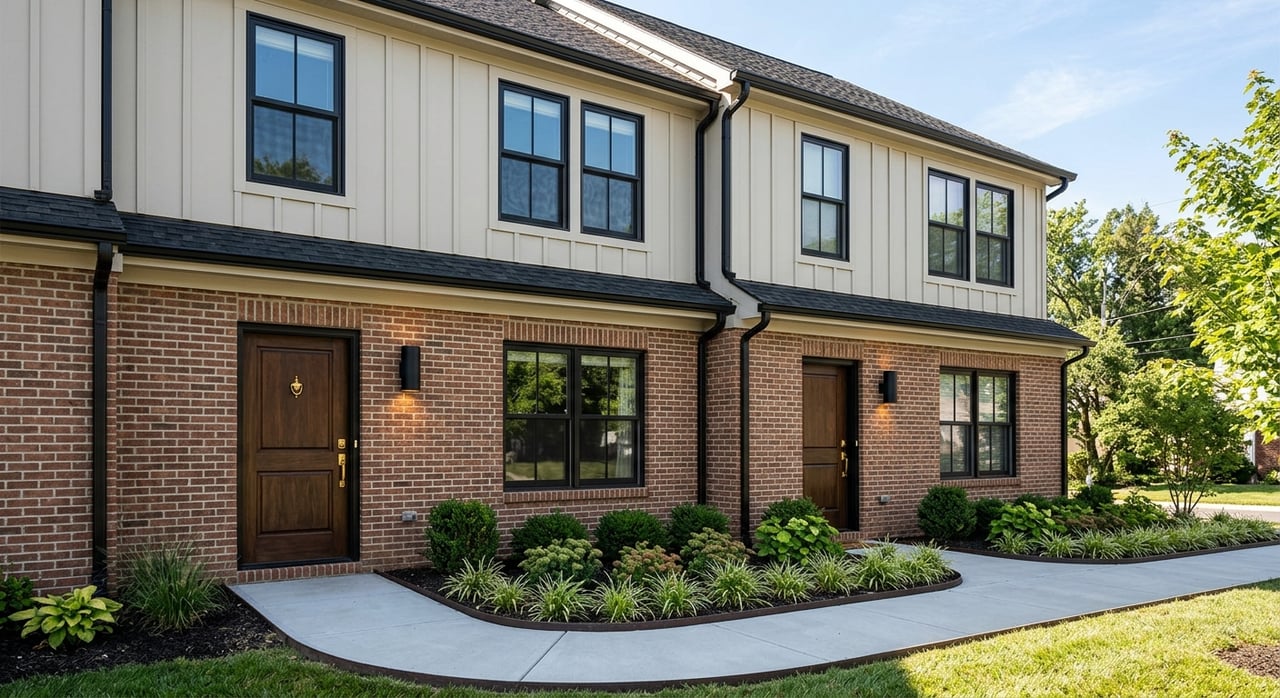
A townhome may fit if you want more space
A townhome often appeals if you want:
- More interior space
- Often a garage or more convenient parking
- A private outdoor area in some communities
- Less yard maintenance than a detached house
But remember, a townhome in Elmhurst may still be a condominium ownership structure. Do not assume you own or maintain the exterior without confirming it in the documents.
A detached home may fit if you want control
If your priority is maximum control over the property, a detached home may still be the better option. You may pay more, but you also may avoid the limits and shared financial structure that come with many associations.
Smart buying steps in Elmhurst
If you are seriously considering a condo or townhome in Elmhurst, keep your process simple and disciplined.
- Set a full monthly budget, not just a purchase price.
- Compare ownership structures so you know what is private and what is shared.
- Review association documents early before you get too far into the deal.
- Check parking details for everyday use and overnight needs.
- Look at reserves and planned projects to gauge financial health.
- Match the property to your lifestyle, especially if you are choosing between convenience and space.
In Elmhurst, attached housing can be a great fit, but only when the numbers, rules, and day-to-day logistics line up with your goals.
If you want help sorting through Elmhurst condos, townhomes, or nearby options, reach out to Timothy Soltys for a quick, practical conversation about what fits your budget and how to compare the details before you buy.
FAQs
What is the difference between a condo and a townhome in Elmhurst?
- In Illinois, a condo is an ownership form, not a building style. An Elmhurst townhome may be a condominium or part of a non-condo common-interest community, so you need to review the declaration and bylaws to know what you own and what the association maintains.
Are condos in Elmhurst cheaper than townhomes?
- Often, yes, but not always. Current market data in the research report shows Elmhurst condos at a median listing price of $305,000 and townhouses at a median listing price of $720,000, but the actual range in both categories is wide.
What should I review before buying an Elmhurst condo or townhome?
- You should review the declaration, bylaws, rules, current budget, reserve information, anticipated capital expenditures, unpaid assessments or liens, board minutes, insurance policies, and parking details.
Do Elmhurst condo HOA fees vary a lot?
- Yes. Current examples in the research report range from about $169 per month to $865 per month, with different levels of utility coverage, parking access, and amenities.
How important is parking when buying attached housing in Elmhurst?
- It is very important. Elmhurst prohibits overnight parking on city streets and certain municipal areas between 3:00 a.m. and 6:00 a.m., and parking arrangements in condo and townhome communities can vary significantly by property.
Is a townhome in Elmhurst always easier than a detached home?
- Not automatically. A townhome may offer more space and less yard work, but your experience depends on the ownership structure, association rules, assessments, and parking setup.