Check three different sites for Wood Dale home values this month and you will get three different answers. One index puts the typical home near $358,000. A median-sale-price tracker says $394,000, up 3.6 percent from a year ago. A listings site quotes $399,000 to buy today, and notes that price per square foot has actually fallen 5 to 6 percent over the same twelve months. All three numbers are current. None of them is wrong. They are measuring different things, and in Wood Dale's case, that gap is not a data quirk. It is the whole story.
Wood Dale does not have one housing market. It has at least three, stacked under a single ZIP code and a single median that cannot describe any of them accurately on its own.
Three Products, One Number
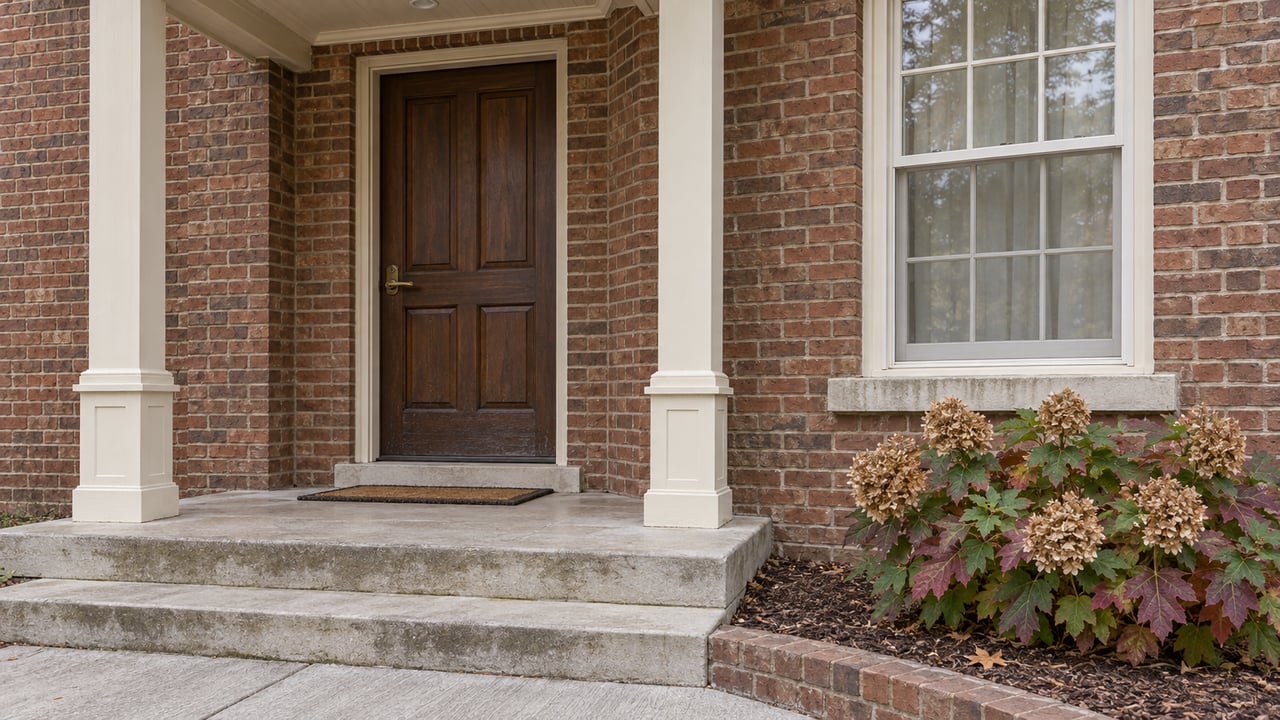
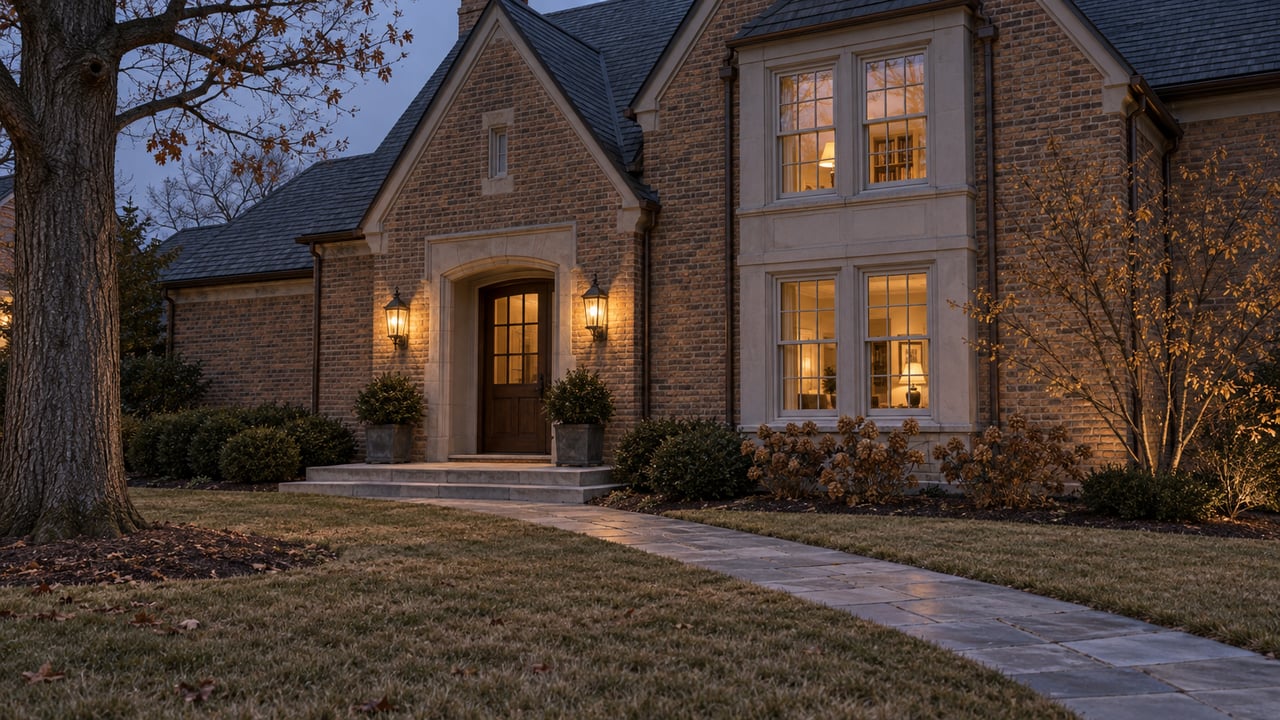
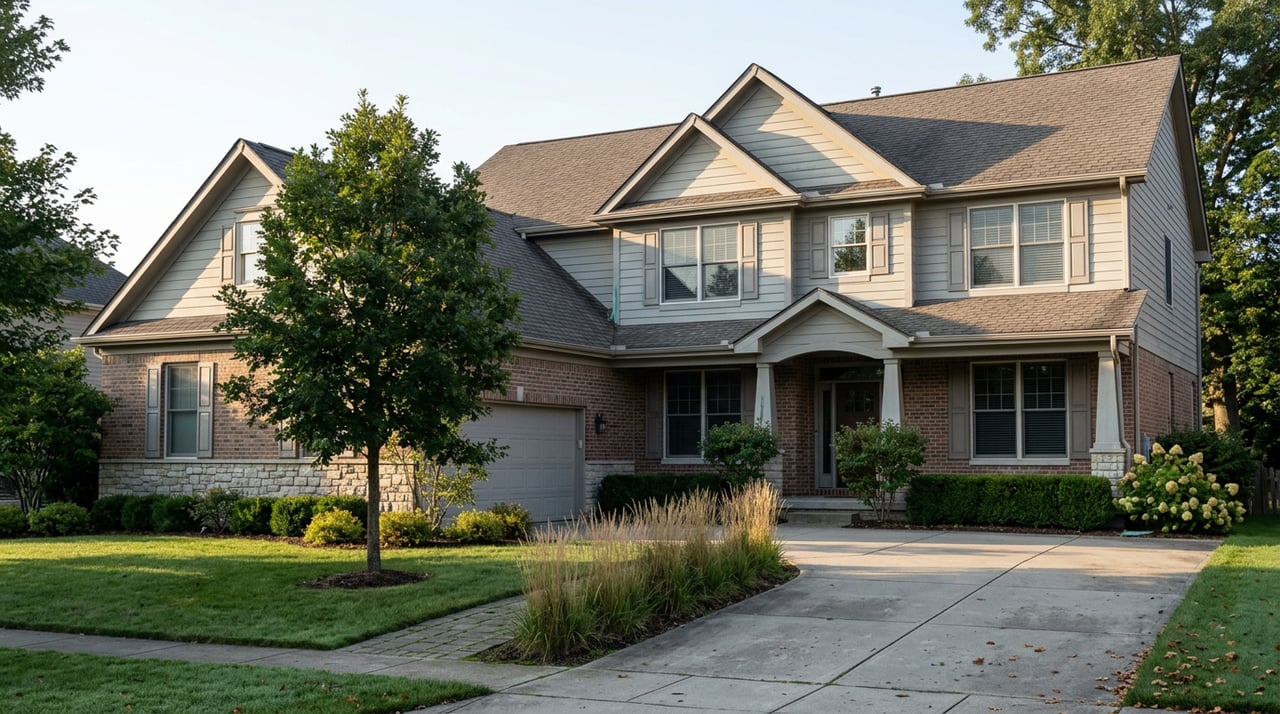
Walk the city and the split is obvious once you know where to look. Near downtown and the Metra Milwaukee District West station, you find brick ranches and Cape Cods built in the 1950s and 60s on modest lots, the kind of homes that trade in the $300,000s to low $400,000s and move fast because the buyer pool for that price point is large. A few blocks away, Brookwood on the Greens, an eleven-story condo tower built in 1971 at 190 S Wood Dale Road, sits adjacent to the Preserve at Oak Meadows golf course, with units trading in the $180,000 to $325,000 range and monthly HOA dues between $434 and $665. Then there are the newer subdivisions, places like Arbor Woods and Royal Oaks, built mostly between 2007 and 2012, where single-family homes list from roughly $625,000 to nearly $950,000, carrying annual property tax bills close to $9,000.
Here is a rough sketch of what separates them:
| Product | Typical build era | Price range | Monthly HOA | Approx. annual property tax |
|---|---|---|---|---|
| Downtown-adjacent ranch/Cape Cod | 1950s-60s | $300K-$450K | None | Varies by lot and assessment |
| Brookwood on the Greens (condo) | 1971 | $180K-$325K | $434-$665 | Roughly $3,300 (building avg) |
| Arbor Woods / Royal Oaks (subdivision) | 2007-2012 | $625K-$950K | $81-$350 | Roughly $9,000 (subdivision avg) |
A buyer comparing "Wood Dale's median price" against a neighboring suburb is comparing a blend of these three products to that suburb's own blend, which may be weighted completely differently. The number on the portal homepage is real. It just isn't describing the house you're about to make an offer on.
The Highway That Keeps Sliding
Here is where it gets more interesting, and more relevant to anyone weighing a premium for one of Wood Dale's newer subdivisions. A chunk of the marketing language around homes near the western edge of town leans on future highway access to O'Hare International Airport as a value driver. That access is coming. The timeline for it has moved at least twice.
The Illinois Tollway's own current project page for the I-490/IL 390 interchange states it plainly: the interchange is scheduled to be complete by the end of 2027. That target has already slipped from an earlier projection of 2023 for the related I-90 interchange work, then again to 2025, and then to a general "2026" completion window that appeared in earlier planning documents. As of 2026, construction is still underway on six interchange ramps and the bridges carrying them over York Road, the CPKC Railway, and the Union Pacific Railroad. Journal & Topics, covering the project earlier this year, ran the story under a headline that captured the moment precisely: the Tollway now eyes late 2027 for the opening.
None of this makes the highway a bad bet. It makes it a bet with a moving completion date, which matters if you're paying a price today that assumes the convenience arrives on schedule.
Two Projects, Not One
It helps to separate two pieces of this corridor that get talked about as if they're the same thing. Illinois Route 390 itself, the extension connecting IL 83 in Bensenville to the airport's western edge, is expected to open in 2026. That gives drivers a faster route into the corridor from the east side. It is not the same as the I-490/IL 390 interchange, the piece that actually links the new north-south bypass along O'Hare's west boundary into the broader tollway system. That's the $534 million project with the 2027 target, and it's the one that matters most for anyone buying on Wood Dale's west or south side expecting quicker airport access than the corridor currently offers.
Worth noting: Wood Dale Road itself, the same street Brookwood on the Greens sits on, is one of the interchanges being rebuilt as part of this work. The street a condo buyer already lives on and the street a highway planner is actively reconstructing are the same road. That's not a coincidence of geography so much as a reminder that this corridor touches nearly every part of the city at once, just not on the same calendar.
Who Benefits First
The near-term winner here is freight, not commute times. Wood Dale's employment base already skews toward manufacturing and wholesale trade, and the broader O'Hare-adjacent industrial corridor, spanning Elk Grove Village, Wood Dale, Bensenville, and Itasca, is the more immediate beneficiary of a faster truck route around the airport's west side. Homeowners will eventually feel the effect through easier regional access and a steadier commercial tax base, which has historically helped keep municipal finances stable in a city built as much around industry as around residential streets. But "eventually" is doing real work in that sentence, and it is worth being honest about the difference between a faster route that helps freight movement in 2026 and one that meaningfully shortens a homeowner's drive to the airport.
One overlooked detail from the project's early negotiations: Wood Dale, Itasca, and Bensenville pushed back hard when the Tollway originally proposed handing frontage road maintenance to local municipalities once construction wrapped. They won that argument. DuPage County will maintain the bulk of those roads going forward instead of the cities themselves. That's a small line item, but it's the kind of detail that keeps future municipal costs, and by extension future tax pressure, from landing on homeowners near the corridor.
What This Means If You're Comparing Numbers This Month
If you're cross-shopping Wood Dale against another western suburb, three habits will serve you better than trusting the headline median:
- Ask which product you're actually looking at. A condo at Brookwood on the Greens, a ranch near the Metra stop, and a five-bedroom in Arbor Woods are not competing for the same buyer, and comparing their price tags to a blended citywide figure tells you very little.
- Price per square foot within the subdivision, not against the city average. The subdivision-level tax and HOA numbers above are the real cost basis, not the headline sale price.
- If a listing or an agent mentions future highway access as a selling point, ask for the specific project name and completion date. "Better O'Hare access is coming" and "the I-490/IL 390 interchange is targeted for the end of 2027, assuming rail bridge work stays on schedule" are two very different claims.
That last habit also explains something odd in the citywide numbers themselves. One tracker shows Wood Dale's median sale price rising 3.6 percent over the year ending August 2026, while another shows price per square foot falling 5 to 6 percent over roughly the same window. Both can be true at once if the mix of what sold shifted, more transactions at the higher end (think Arbor Woods) pulling the median dollar figure up even as smaller, older homes trading at a lower per-square-foot rate pull the average down. It's not proof of a single cause, but it lines up with everything else this market is telling you: Wood Dale isn't behaving like one market because it isn't one.
FAQ
Why do different sites show such different Wood Dale home values? They're measuring different things. Some track closed sale prices over a trailing window, some track active list prices, and at least one uses a smoothed valuation model rather than raw transactions. Given how different Wood Dale's housing stock is block to block, that methodology gap shows up as a wide spread.
Does the new highway access already make Wood Dale homes more valuable? Some of that value is likely already priced into newer subdivisions near the corridor. Whether that pricing matches the actual, currently projected 2027 completion date for the full interchange is worth checking before you pay a premium for it.
What's the actual difference between IL Route 390 and the I-490 tollway people mention? IL 390 is the east-west extension connecting Bensenville to O'Hare's west edge, expected to open in 2026. I-490 is the separate north-south bypass along the airport's west boundary, and the interchange connecting the two is the piece targeted for late 2027.
Which Wood Dale subdivisions should I compare side by side? Match build era and product type first. Compare Arbor Woods against Royal Oaks, not against a 1960s ranch two blocks from downtown. The comparison only means something once you're pricing like against like.
If you're trying to figure out which of Wood Dale's very different housing products actually fits your budget and timeline, or how a specific subdivision's tax and HOA numbers stack up against a neighboring suburb, Timothy Soltys can walk through the real numbers for the address you're actually considering, not the citywide average.